
What is the Best Non-Toxic Kids Dinnerware?
Why I Started Looking at Kids' Dinnerware Differently
While Elavoland existed long before I became a parent and like many parents, I suddenly found myself buying things I had never really thought about before — including kids dinnerware.
Before children, our family meals were served on ceramic plates. They looked beautiful, but they weren't practical for young children. They were heavy, breakable and not something I felt comfortable handing to a toddler. I wanted my children to be able to carry their own plates to the table, help clean up after meals and develop a sense of independence from a young age.
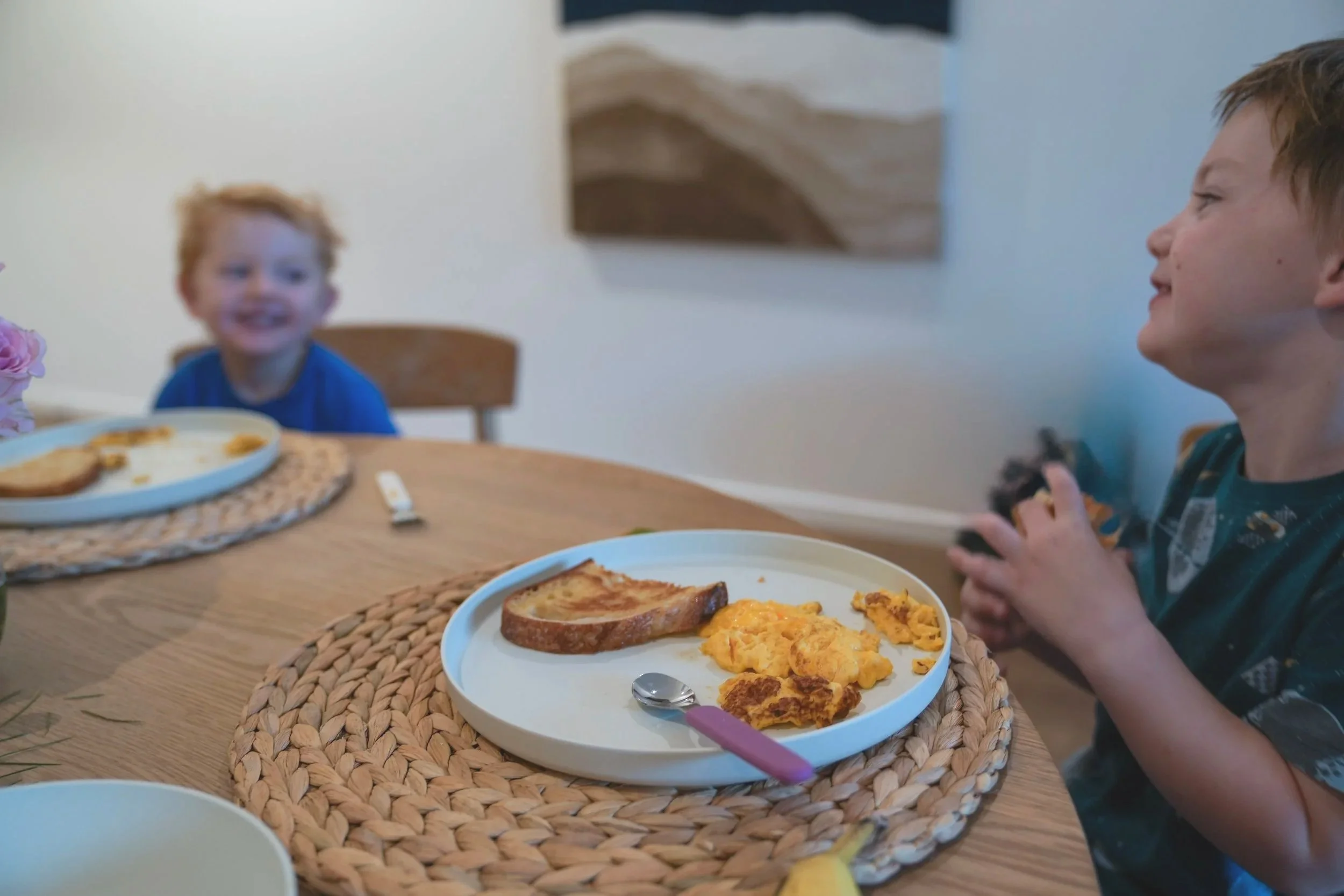
For me, mealtimes have always been about more than simply feeding my family.
I love cooking. I love sharing food. I love sitting around a table together after a busy day. And I wanted dinnerware that felt just as considered as the food I was serving on it.
As I started researching alternatives, I realised how confusing the options could be. Products labelled as "eco-friendly", "plant-based" or "bamboo" often contained a mix of materials that weren't always obvious to parents, read more. Plastic, bamboo, wheat straw, silicone, melamine, stainless steel — where do you even begin?
At the same time, I was becoming increasingly aware of the conversations around microplastics and the materials we use every day in our homes. I was spending extra money on quality ingredients, visiting farmers' markets, choosing fresh produce and putting genuine effort into preparing nourishing meals for my family. It felt important to understand what those meals were being served on as well.
I also found that many kids' dinnerware options were designed for a very short stage of life. Tiny plates that children quickly outgrow. Bright character designs that don't suit every home. Products that felt disposable rather than something you could use and enjoy for years.
I wanted something different.
I wanted lightweight dinnerware that children could comfortably use themselves. I wanted pieces that looked beautiful on the table, suited family meals and could grow with my children from toddlerhood through to their school years.
As a parent of picky eaters, I also became interested in how dinnerware can influence mealtimes. Many feeding specialists recommend simple, neutral dinnerware because it allows food to stand out without competing for attention. A plain plate becomes a blank canvas where colourful fruits, vegetables and new foods can take centre stage.
Most importantly, I wanted dinnerware that supported the kind of family life I was trying to create — one filled with shared meals, independence, curiosity and a love of good food.
If you're here, chances are you're looking for the same thing.
So let's explore the most common kids' dinnerware materials, their benefits and what to consider when choosing the right option for your family.
Plant-Based Dinnerware
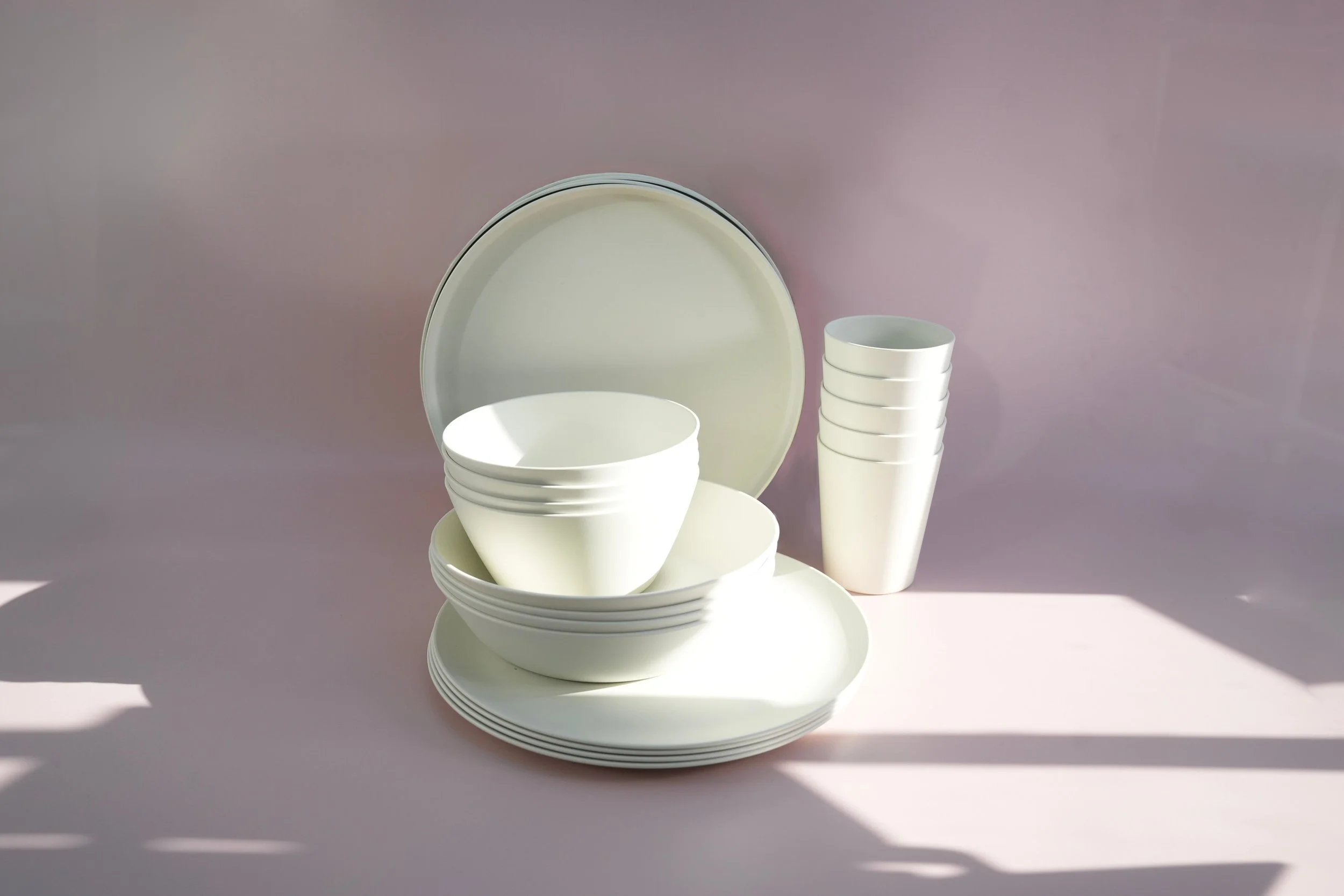
Plant-based dinnerware has become an increasingly popular choice for families looking for a better alternative to traditional plastic products.
At Elavoland, our dinnerware is made from a blend of 90% PLA (polylactic acid) — a plant-based material derived from fermented corn - and 10% bamboo fibre for added strength and durability. Together, these renewable materials create dinnerware that is lightweight, sturdy and designed for everyday family life.
We chose these materials because they offer the ideal balance of practicality, durability and thoughtful design. Our dinnerware is independently lab tested, LFGB certified and manufactured to FDA food-contact standards, giving families confidence in the products they use every day. It's also free from BPA, phthalates, PFAS and melamine-based binders.
From busy breakfasts before school to family dinners, afternoon snacks and weekend picnics, our dinnerware is designed to handle the moments that make up family life.
Beautiful enough to leave on the table, durable enough for everyday use, and thoughtfully made for families who care about the products they bring into their homes.
2. Stainless Steel
Stainless steel has long been a popular choice for families who prioritise durability and longevity.
Known for its strength and resistance to breaking, stainless steel can withstand years of daily use, making it a practical option for busy households. It's easy to clean, dishwasher safe and particularly well suited to outdoor dining, lunchboxes and families looking for a long-lasting solution.
Like every material, stainless steel also comes with a few considerations. While it won't shatter like ceramic or glass, it can dent when dropped, particularly over years of everyday use. Some families also find it has a more utilitarian appearance compared to colourful plant-based alternatives, while others prefer materials that feel warmer and more inviting at the table.
Because stainless steel is highly conductive, plates and bowls can become hot when holding hot foods. It is also not microwave safe, which may be less convenient for some families. Certain foods may occasionally pick up a slight metallic taste, particularly when highly acidic ingredients are involved. Research has also shown that small amounts of chromium and nickel can migrate from stainless steel cookware and dinnerware into food, particularly when cooking or serving acidic foods such as tomato-based dishes.
For families seeking maximum durability, stainless steel can be an excellent choice. For those looking for a lightweight, colourful option that feels right at home on the family table, plant-based dinnerware may be a better fit.
3. Silicone Dinnerware
Silicone is a popular choice for babies and toddlers thanks to its soft, flexible nature and resistance to breaking.
Lightweight, durable and easy to clean, silicone can be a practical option during the early feeding years. Many parents choose silicone plates, bowls and bibs when introducing solids before transitioning to other types of dinnerware as their children grow.
One thing worth knowing is that not all silicone is created equal. The quality of silicone can vary significantly between products. Lower-quality silicone may absorb odours, retain flavours or develop a soapy taste over time, particularly when washed with heavily fragranced detergents. Because silicone is slightly porous, some children can be sensitive to these lingering tastes and smells.
Our experience with high-quality food-grade silicone has been very different. We used silicone dinnerware extensively throughout the baby and toddler years, washing it regularly in the dishwasher with gentle, naturally derived detergents, and never experienced any issues with food taste or our children refusing meals because of the dinnerware.
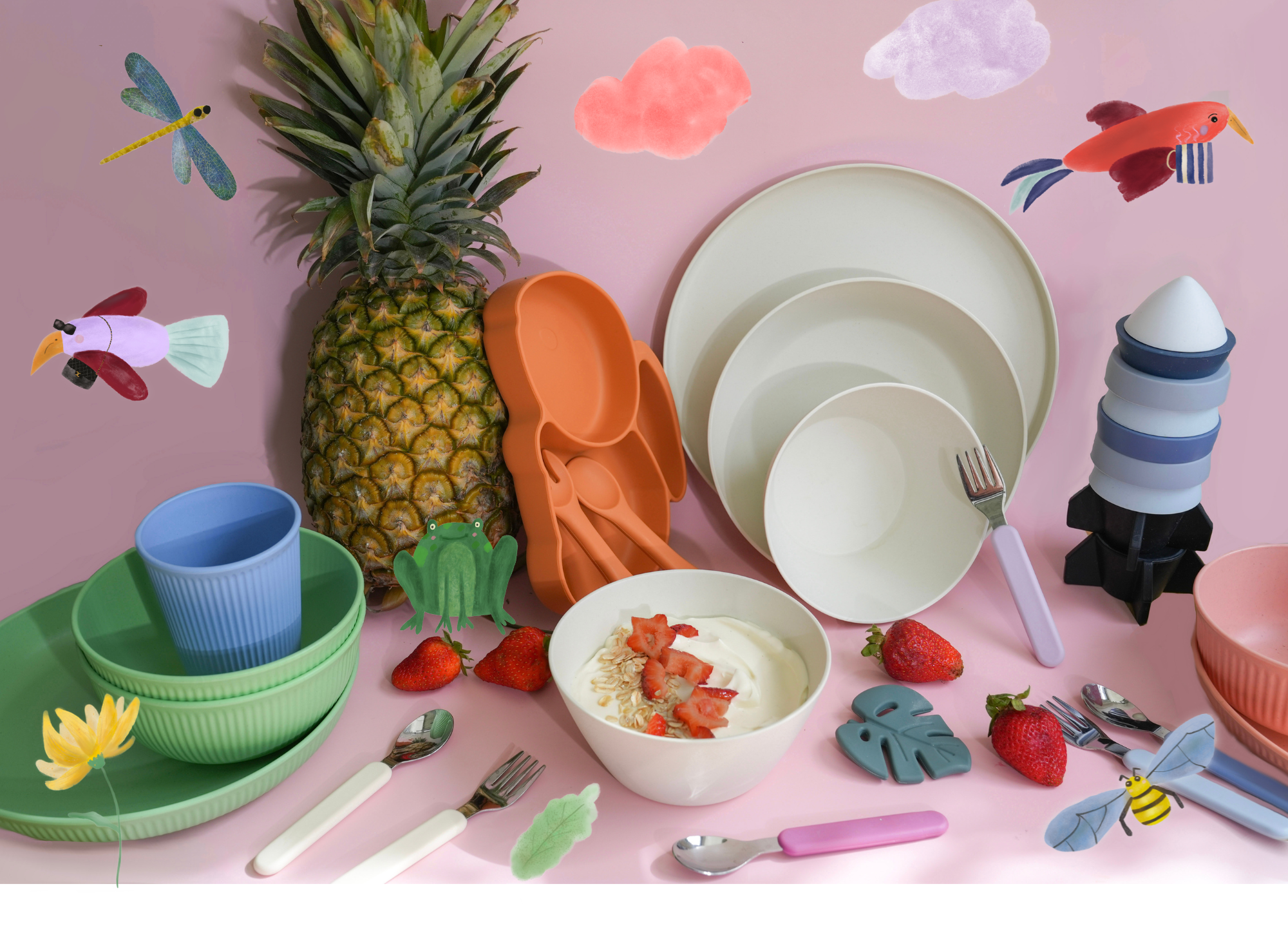
We also loved that our silicone products lasted well beyond our own family's needs. Once our children outgrew them, we were able to pass them on to another family to continue using through the baby and toddler stages.
For many families, silicone can be a practical and long-lasting option during the early years, particularly when choosing high-quality products designed for food contact and everyday use.
4. Ceramic & Glass
Ceramic and glass are timeless materials that can look beautiful on the family table.
They're easy to clean and can last for many years when cared for properly. However, because they can chip or break when dropped, many families prefer other options during the toddler years.
For older children and family meals, ceramic and glass can be a wonderful addition to the table.
5. Natural Bamboo & Wood
Natural bamboo and wood products are loved for their organic look and feel.
They are lightweight, naturally durable and bring a beautiful, earthy aesthetic to family meals. Many parents appreciate their simplicity, timeless appearance and connection to natural materials.
When choosing bamboo dinnerware, it's important to understand that not all products are created equal. While some products are made from natural bamboo or wood, others are manufactured using bamboo fibres combined with synthetic binders or resins to hold the material together.
These composite products are often marketed as "bamboo" dinnerware, even though they may contain additional materials that aren't immediately obvious to consumers.
Natural bamboo and wood products also tend to require a little more care than other materials. Depending on the product and finish, they are not always dishwasher safe and may need occasional maintenance to help preserve their appearance over time.
For families who love natural materials and don't mind a little extra care, bamboo and wood can be a beautiful addition to the family table.
6.Melamine Dinnerware
Melamine has been a popular choice for children's dinnerware for decades because it is lightweight, affordable and resistant to breaking. It's commonly found in kids' plates, bowls and cups, particularly those featuring colourful prints and designs.
For many families, melamine offers a practical solution for everyday use. However, it is important to understand what it is made from and how it is intended to be used.
Melamine is a synthetic resin manufactured using compounds including melamine and formaldehyde. While food-grade melamine products are generally considered safe when used according to manufacturer instructions, most manufacturers recommend avoiding microwave use and prolonged exposure to high temperatures.
Research has shown that small amounts of melamine can migrate into food, particularly when exposed to heat or acidic foods. Scientific interest in melamine increased following several high-profile food contamination incidents, where unusually high levels of melamine exposure were linked to kidney stones and kidney damage. These incidents led to stricter regulation and ongoing monitoring of melamine exposure in food-contact products.
Another point of confusion for parents is that some products marketed as "bamboo" or "eco-friendly" dinnerware may still contain melamine binders, even when natural fibres are listed as an ingredient. For this reason, it's always worth checking the full material composition rather than relying solely on front-of-pack marketing claims.
Today, many families choose alternatives such as plant-based materials, stainless steel, silicone or natural bamboo products based on their personal preferences, lifestyle and values.
7.Bamboo Dinnerware
Bamboo dinnerware is often marketed as a natural, eco-friendly alternative to plastic, but one of its biggest drawbacks is how quickly it wears out with regular use, especially in modern households using dishwashers.
A key issue is that most bamboo products aren’t 100% bamboo — they are typically made from bamboo fibre mixed with resins or binding agents to hold the shape together. Over time, this structure begins to break down.
In everyday use, especially with dishwashing, several problems tend to show up:
When exposed repeatedly to heat, water, and detergent in dishwashers, bamboo fibre composites can absorb moisture and gradually weaken internally. This leads to the material becoming more brittle after a number of wash cycles.
As the fibres dry out and re-wet repeatedly, the surface can start to crack, splinter, or develop a rough texture. What starts as a smooth, natural finish often becomes visibly worn within months of regular washing.
Another common issue is that bamboo dinnerware can warp or lose structural integrity over time, particularly when exposed to high heat drying cycles. Once the internal bonding starts to degrade, even small impacts (like dropping or stacking pressure) can cause chips or fractures.
Because of this breakdown process, bamboo dinnerware is generally better suited to gentle handwashing and light use, rather than the repeated high-heat, high-moisture environment of dishwashers.
In practical terms, while bamboo is appealing at first glance for its natural look and eco positioning, it often does not maintain its appearance or strength over the long term in busy family kitchens.
8. Plastic Dinnerware
Plastic dinnerware is widely used because it is cheap, lightweight, and durable at first glance. However, over time, concerns can arise around both chemical exposure and material breakdown, particularly with heat, repeated washing, and everyday wear.
One of the most well-known concerns is BPA (Bisphenol A) and related compounds such as BPS. These chemicals are used to strengthen certain plastics, but they can migrate into food and drinks, especially when exposed to heat (such as microwaving, dishwashing, or hot foods). BPA exposure has been studied for its potential links to hormone disruption, which is why many products are now labelled “BPA-free”. However, some replacement compounds may behave in similar ways, and are still being researched for long-term safety.
Beyond BPA, there is also increasing attention on the gradual breakdown of plastics into microplastics and nanoplastics. Over time, plastic dinnerware can become scratched, worn, or heat-stressed through repeated use and washing. As this happens, tiny particles can be shed from the surface. These particles are often invisible but may transfer into food and drink, and are part of a broader environmental and health area that is still being actively studied.
Everyday use factors such as cutlery scratches, dishwasher cycles, and high heat all accelerate this wear. What often appears to be normal ageing can actually reflect slow structural breakdown at a microscopic level.
There are also additives and plasticisers used in some plastics to improve flexibility, colour, or durability. These additives are not always intended for long-term ingestion exposure, and higher temperatures can increase the likelihood of them migrating out of the material over time.
That said, not all plastics are the same. High-quality engineering plastics such as Tritan are designed for more durable, long-term use and are commonly used in products like premium drink bottles and food containers (for example, Nutribullet-style containers). These materials are typically made without BPA and are designed to be more stable under repeated washing and use. While no plastic is completely free from microplastic generation over time, higher-grade materials are generally considered more stable and lower-risk for everyday practical use.
Our wheat straw dinnerware is designed as a lower-plastic alternative, using a blend of materials with approximately 30% plastic content to reduce overall plastic usage while maintaining everyday functionality, read more.
Finding the Right Dinnerware for Your Family
As with any dinnerware material, understanding what a product is made from can help you make an informed choice for your family.
Every family is different, and there is no single perfect material for everyone.
The best dinnerware is the one that fits your family's lifestyle, values and everyday routines.
At Elavoland, we've chosen plant-based materials because they combine beautiful design, everyday practicality and renewable resources in one thoughtful solution. They're designed for growing families, outdoor adventures, messy mealtimes and all the little moments in between.
Because family meals should feel joyful, not complicated.