
Bioplastics for Dinnerware: A Sustainable Choice for Everyday Living
Plastic is everywhere — from packaging to household goods — and far too much of it ends up in landfill or our oceans. Each year, millions of tonnes of plastic waste pollute the environment, threatening wildlife and marine ecosystems. It’s no surprise that many families are searching for alternatives that are safe, practical, and kinder to the planet.
One of the most exciting and evolving solutions? Bioplastics — including modern PLA dinnerware.
What Are Bioplastics?
Bioplastics are materials made partly or entirely from renewable, plant-based sources such as corn, sugarcane, bamboo fibre, or wheat straw. Unlike conventional plastics that rely on petroleum, bioplastics reduce dependence on fossil fuels and often repurpose agricultural byproducts that would otherwise go to waste.
When used in dinnerware, these materials offer the convenience and durability families need — with a significantly smaller environmental footprint.

Made partly or entirely from renewable, plant-based sources such as corn, sugarcane, bamboo fibre, or wheat straw.
PLA Dinnerware: The Next Generation of Plant-Based Design
PLA (Polylactic Acid) is a plant-based material derived primarily from fermented corn starch. Advances in material science have allowed PLA to evolve into a highly durable, completely plastic-free alternative to traditional petroleum-based plastics.
At Elavoland, our PLA dinnerware is:
Made from renewable plant-based resources
Completely free from melamine and conventional plastics
Strong, durable, and designed for real family life
Beautifully finished with a smooth, premium feel
We also incorporate bamboo fibre to enhance texture and structural strength, creating dinnerware that is lightweight yet robust enough for everyday meals, outdoor entertaining, camping trips, and family adventures.
The result is a thoughtfully engineered product that feels high quality, performs exceptionally well, and aligns with a lower-impact lifestyle.
Why Bioplastics Are Perfect for Dinnerware
Eco-Friendly by Design
Made from renewable plant materials such as corn starch and wheat straw
Reduces reliance on petroleum-based plastics
Utilises agricultural byproducts that might otherwise be discarded
Safe for Families
Free from BPA and melamine
Food-safe and non-toxic
Designed for everyday family use
Durable & Practical
Lightweight yet sturdy
Dishwasher safe (top rack recommended)
Ideal for picnics, caravanning, camping, boating, and home dining
Wheat Straw: A Proven Family Favourite
Alongside PLA, wheat straw bioplastic remains a popular and reliable option. Our wheat straw range is crafted from approximately 70% repurposed wheat straw (a byproduct of harvesting) blended with 30% high-quality, food-safe PP to provide strength and longevity.
This combination offers:
Excellent durability for busy households
Heat resistance suitable for everyday meals
A smooth, waxy-soft texture that feels beautiful to use
Long-lasting performance designed to serve families for years
Unlike traditional melamine plates, which can pose concerns when exposed to high heat, modern bioplastic alternatives are designed with both safety and functionality in mind, read about other dinnerware options.
A Step Toward a Cleaner Planet
Choosing bioplastic dinnerware — whether wheat straw or PLA — is a small but meaningful step toward reducing plastic pollution and embracing renewable materials. Reusable, durable, and thoughtfully made products help families move away from disposable culture and toward more sustainable everyday habits.
At Elavoland, sustainability is paired with design. Our dinnerware is created not just to reduce impact, but to elevate everyday meals — with modern silhouettes, timeless colours, and versatility for both adults and children.
Because eco-friendly living shouldn’t feel like a compromise. It should feel beautiful, practical, and entirely achievable.
Make the Switch
Ready to embrace plant-based dining? Explore our bioplastic dinnerware and PLA dinnerware collections — durable, safe, and thoughtfully designed for families who care about what’s on their table and the world beyond it.
PLA Dinnerware: The Next Generation of Plant-Based Design
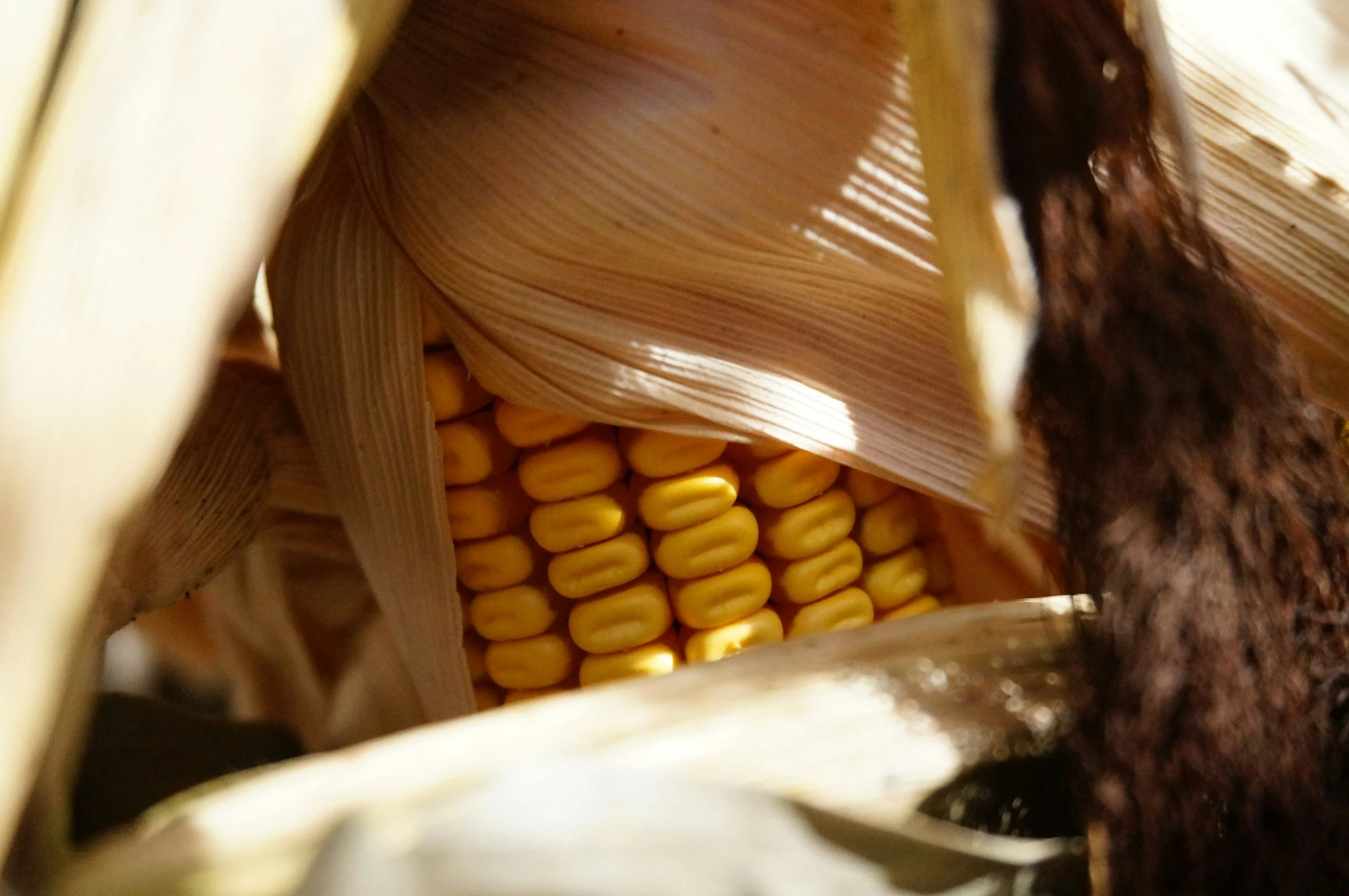
Corn Starch: From Corn Kernel to Sustainable Material
Corn starch is a natural ingredient derived from corn kernels and widely used in food, packaging, and increasingly in sustainable materials such as bioplastics. Because it comes from a renewable crop, corn starch has become an important part of the shift toward more environmentally friendly products.
How Corn Starch Is Made
The production of corn starch typically uses a process called wet milling, which separates the different components of the corn kernel. Corn kernels contain starch, oil, protein, and fibre, and the goal of the process is to isolate the starch in a highly purified form.
The process usually follows several key steps:
1. Cleaning
Freshly harvested corn is first cleaned to remove dust, husks, stones, and other foreign materials before processing begins.
2. Steeping
The cleaned kernels are soaked in warm water for around 30–48 hours. This softens the corn and loosens the bonds between the starch and other components inside the kernel.
3. Grinding and Germ Separation
The softened corn is then ground to release the germ, which contains corn oil. Because the germ is lighter, it can be separated from the rest of the mixture.
4. Fibre and Protein Removal
The remaining slurry of starch, fibre, and protein is screened and centrifuged. The fibre is removed first, followed by the protein (also known as gluten).
5. Starch Washing and Drying
The starch is repeatedly washed and purified until it reaches a very high level of purity — often over 99% starch. Finally, the starch is dried into the fine powder commonly known as corn starch.
Why Corn Starch Matters
One of the remarkable aspects of this process is that almost every part of the corn kernel is used. Corn oil, animal feed, and other products are created from the remaining components, helping reduce waste in the production process.
Today, corn starch is not only used in cooking but also plays an important role in plant-based materials such as PLA (polylactic acid), a type of bioplastic used for sustainable packaging and products.
A Natural Step Toward Sustainable Materials
Because corn starch comes from renewable crops, it offers an alternative to petroleum-based plastics. When used to create plant-based materials, it can help reduce reliance on fossil fuels while supporting more sustainable product design.
As material science continues to evolve, corn starch is becoming an increasingly important ingredient in the future of eco-friendly packaging, biodegradable materials, and plant-based household products. 🌽🌱